
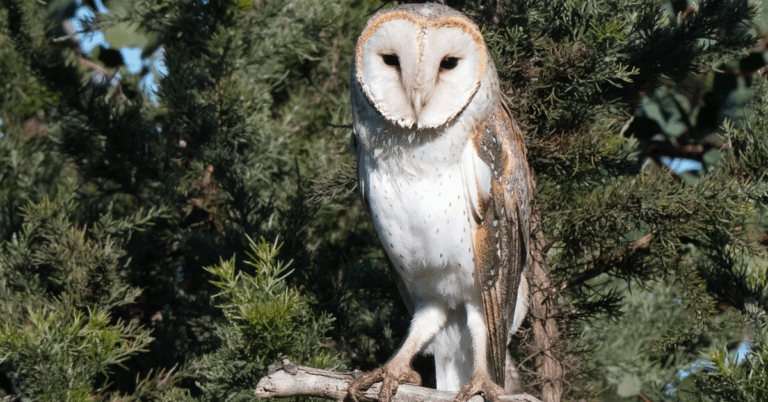
One of my favourite sounds is listening at night to the quintessential double hoot (“boo-book”) of the Southern Boobook owl. Their call isn’t just enchanting – it’s also a sign of one of nature’s most efficient pest controllers at work.
Did you know: An adult owl can consume one to four rats per day. That could mean over 1,000 rats per owl every year. That makes them one of nature’s most effective forms of pest control.

In our South West of WA, we have four species of owl.
- Boobook
- Barking owl
- Masked owl
- Barn owl
None have been formally listed as threatened species in WA however the barking owl and masked owl are on the Priority 3 list in WA which is reserved for ‘poorly known species’.
This means their conservation status is uncertain due to a lack of firm data on their actual numbers and trends.
What does appear likely though is that owls and other birds of prey are facing mounting threats. There is growing evidence owl numbers are in decline locally due to the impacts of climate change, reduced habitat, vehicle strikes, and now secondary poisoning associated with the use of rat poison (or rodenticides).
Birds of prey are apex predators and as such play a vital role in maintaining ecosystem health. We don’t have lots of big native predators in Australia like lions and tigers, but we have impressive and effective birds of prey.
Not only are they an important part of the natural ecosystem but they also provide defence against increasing numbers of introduced rodents, which of course, has the potential to create enormous and expensive problems for agricultural and urban areas alike.
High numbers of introduced rodents can also assist in the maintenance of feral cat and fox populations and together these introduced species start to depress our native species.
When mice or rat numbers spike, naturally, so too does the use of quick-fix rodenticides – but this approach is likely causing more harm than good.
Let’s talk about why!
There are a few types of rodenticides but the most potent to our majestic nocturnal owl hunters (and the ones you’ve likely heard mentioned in the media over the past year or two) are called Second Generation Anticoagulant Rodenticides or SGARs for short.
They kill rodents with just one dose but they make that dead rodent poison to whatever may consume it.
First Generation Rodenticides (FGARs) are available and don’t result in the secondary poisoning risk, but often require a multi-dose to be effective.
Anticoagulant rodenticides are readily available to buy for both commercial and residential use, although some outlets have removed them from sale due to the mounting evidence of their impacts on native species. Many countries have also banned them.
The problem with these products for owls is that toxic compounds build up in their system over time, first making them very ill, then unable to hunt and much more vulnerable to predators or other dangers like moving vehicles. Otherwise, its eventual death from organ failure.
In this 2023 study, an overwhelming 92% of the 55 analysed birds of prey had SGARs in their systems.
And unfortunately, owls and birds of prey are also only part of the picture. Quolls, goannas, snakes, and domestic pets can all be exposed to the poison if they consume the poison dead rodents.
Ironically then, given the impact of rodenticides on populations of natural rodent predators, reliance on them to control pests may actually just exacerbate the problem of mice and rat numbers rather than help.
Change on the Horizon?
Thankfully, change is on the horizon and the way rodenticides are distributed and sold in Australia may soon change.
After a five-year review, the Australian Government has released draft recommendations for change to the way anticoagulant rodenticides are sold and used. The proposals include updated packaging, clearer safety information, guidance on disposing of poisoned rodents, and restrictions on use in certain circumstances.
A period of public consultation on the draft recommendations is currently open until 16 March, 2026 and you can read more and make a written submission on this page of the Government’s Australian Pesticides and Veterinary Medicines Authority (APVMA) website.
Though some conservationists have already stated publicly that the recommendations don’t go far enough for nature.
A better way to control rodents
In addition to considering swapping SGARs with FGARs, there are other practical ways to manage rodents we can all adopt that work with nature, not against it.
Our friends at BirdLife Australia have outlined several simple steps to reduce rodent issues while minimising harm to wildlife:
Habitat & Hygiene
Rodents love two things: food and shelter. By reducing both, you can make your home or property far less appealing. Small changes can make a big difference:
- Pick up fallen fruit
- Keep food waste containers sealed and compost bins rodent-proof
- Store pet food and animal feed securely
- Seal gaps and holes in buildings to block entry
- Tidy up brush piles
- Support Natural Predators
Owls and other native predators are exceptionally good at rodent control – and they work for free.
Ways to support them include:
- Install owl nest boxes to give them safe places to live, breed and hunt
- Replace rat-friendly palms with native species that support local wildlife
- Keep pet cats and dogs away from wildlife
- Physical Control
If rodent numbers need intervention, physical control can be effective:
- Snap traps and live traps are non-poisonous and catch rodents without chemicals
- If chemicals are necessary – choose safer options
If poisons are required, selecting the right type can significantly reduce unintended harm.
- FGARs such as Warfarin and Coumatetralyl break down more quickly and pose a lower risk to larger animals
- SGARs stay in the food chain much longer and should generally be avoided
- Follow packaging instructions as both SGARS and FGARs will kill wildlife and pets if consumed
- Become a bird advocate!
Sharing knowledge goes a long way:
- Encourage friends, neighbours and local groups to adopt wildlife-friendly rodent control
- Support organisations working in this space
- And – if you love owls – join us in February for a special screening of Night Calling, a documentary on owl conservation (details below).
We’re helping the community learn more at our film night
Ever wondered what owls get up to after dark in the South West? On 11 February in Bunbury at the BREC Cube Theatre, we have a full house of community members who will find out.
The film follows ornithologist Boyd Wykes from Owl Friendly Margaret River as he ventures through the South West in search of breeding Masked Owls. With sweeping shots of forests, farms and coastlines, Night Calling offers a rare glimpse into the world of our nocturnal wildlife – animals that are usually only heard, not seen.
Beyond its stunning cinematography, the documentary explores the challenges faced by native owls, and the practical choices we can make to help support them in our own communities.
After the screening, audiences will hear a panel discussion from expert environmental speakers – including Boyd Wykes himself. Together, we’ll explore how backyards, gardens and neighbourhoods can become safer corridors for wildlife across the region.
For those who have been unable to secure a ticket to our Booked Out event, please stay tuned to our channels as we will continue to share information on this topic and future opportunities to get involved.
You can also stay in the loop via our monthly e-newsletter. Subscribe here.