
Recent media coverage has highlighted monitoring results released by Main Roads Western Australia from fauna crossing structures installed along the Wilman Wadandi Highway.
Main Roads reported monitoring cameras had recorded western ringtail possums, brush-tailed phascogales and other native wildlife on rope bridges, underpasses and other fauna structures installed along the corridor.
The highway includes 19 rope bridges, 24 underpasses and two land bridges designed to help native wildlife move safely across the transport corridor.
The reported results have generated discussion about the effectiveness of fauna crossing structures and their role in maintaining landscape connectivity for species such as the critically endangered western ringtail possum.
South West NRM CEO Dr Manda Page said the emerging results were encouraging and welcomed the release of monitoring data from the project.
“It is encouraging to see evidence that these structures are being actively used by native fauna,” Dr Page said.
“Variation in the effectiveness of fauna crossing structures has been reported in the literature resulting in scepticism regarding their conservation value so it is great to see some data emerging from this large-scale project so we can all better judge if they are delivering real outcomes for wildlife.”
Dr Page noted that the findings align with previous studies which have demonstrated that rope bridges can be very effective for arboreal mammals, including possums and gliders, as they readily adapt to using them, but only if they are well designed and strategically placed.
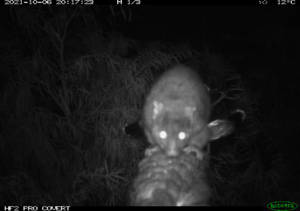
A critically endangered western ringtail possum using a rope bridge installed in Busselton through a previous Threatened Species Conservation Project (2018–2023). Funded by the Australian Government’s Natural Heritage Trust and delivered by South West NRM, a member of the Commonwealth Regional Delivery Partners panel.
“The Wilman Wadandi Highway presents the opportunity to test them at scale. Sharing the results in more detail will be invaluable to inform future design, especially for our critically endangered western ringtail possum,” Dr Page said.
“The Wilman Wadandi Highway results can continue to build that evidence base needed to inform us on what is most effective for our local species.
“It reinforces the importance of integrating biodiversity considerations into infrastructure planning from the outset.
“Maintaining landscape connectivity is critical for species resilience, particularly in the face of increasing development and climate pressures.
“We look forward to seeing more detailed analysis of the data, continued monitoring and reporting to inform adaptive improvements to counter the impacts of large-scale infrastructure that fragments wildlife habitat and restricts movement.”
Improving habitat connectivity is an important part of South West NRM’s work to support threatened species and build resilience in the region’s ecosystems. Learn more about our environmental conservation projects and partnerships.