
About the role
A Sustainable Agriculture Facilitator (SAF) works with farmers, landholders, grower and community groups, extension officers and agricultural industries to share information on climate-smart and sustainable agriculture, build partnerships and connections, and support sustainable agriculture projects within their regions.
They are part of a national network of Sustainable Agriculture Facilitators established by the Australian Government through funding from the Natural Heritage Trust under the Climate-Smart Agriculture Program.
Why it matters
Climate change is placing increasing pressure on farming systems across the South West, with declining rainfall and more variable conditions affecting water availability, pastures and feed security.
Building resilience means managing the natural resources agriculture depends on while maintaining farm productivity and profitability. Our Sustainable Agriculture Facilitator helps farmers access practical information, research, resources and opportunities to adopt more sustainable, climate-smart farming practices, including ways to improve resource efficiency and reduce emissions.
What we're doing
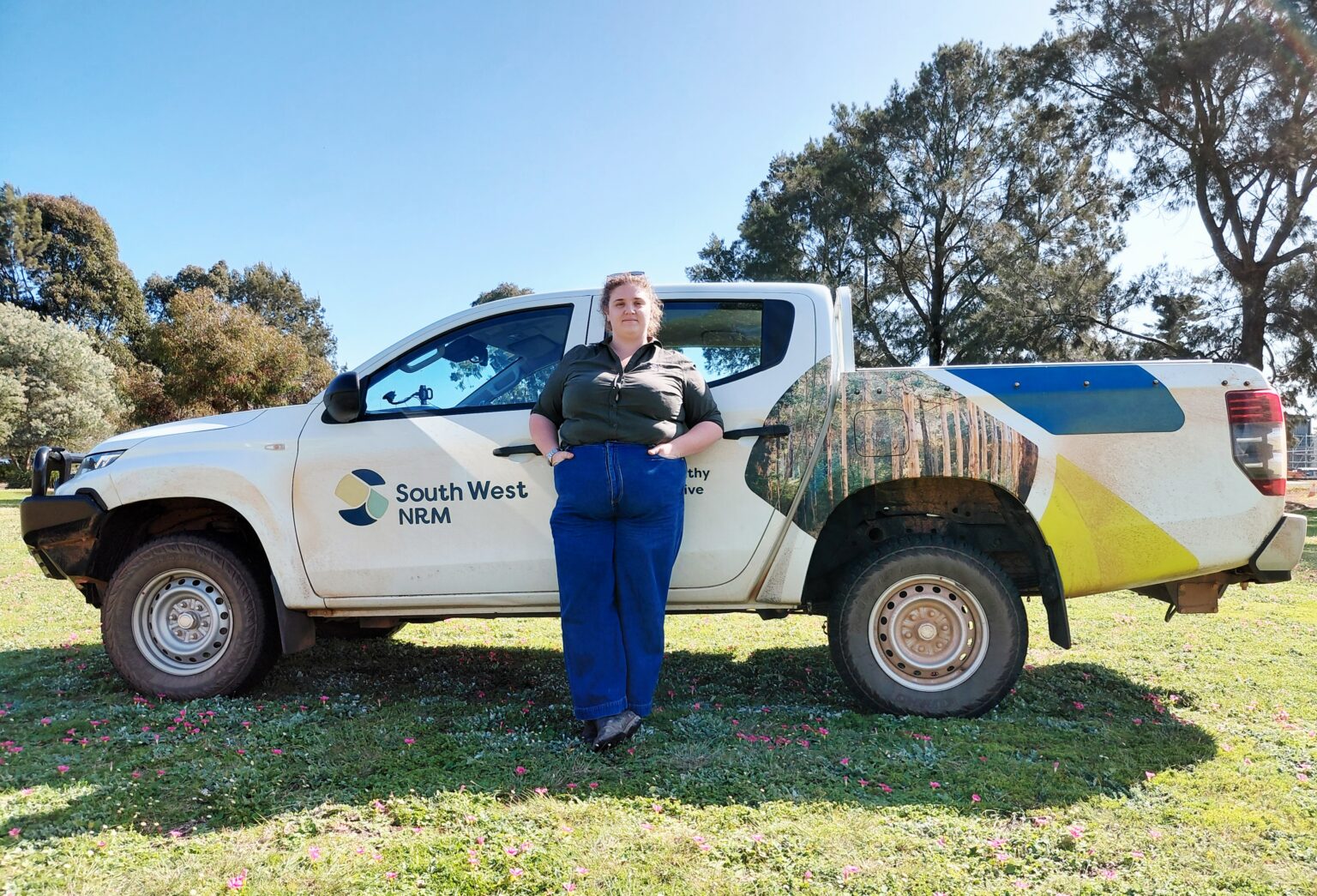
Our Sustainable Agriculture Facilitator, Amelia Thornton, covers the South West, Upper Great Southern and south-western Wheatbelt, providing a local point of contact for people looking for information, support or connections relevant to sustainable agriculture. Amelia connects farmers with useful information, expertise and opportunities, drawing on relationships with grower groups, industry and agricultural networks to help explore sustainable agriculture practices that make sense from a production, business and environmental perspective. Her role includes:
- Connecting farmers with technical expertise, research, other producers, relevant organisations and programs
- Sharing information about programs, funding and training opportunities
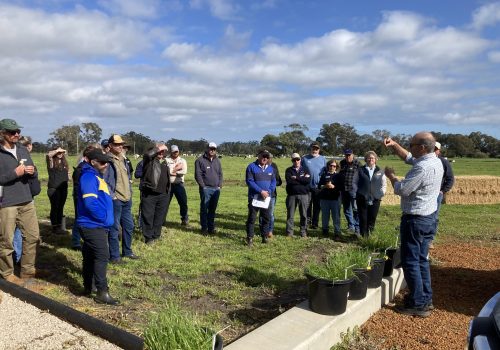
- Supporting workshops, field days, industry events and communities of practice
- Supporting connections between farmers, landholders, community groups, industry, researchers and government
- Connecting with First Nations peoples and organisations
Get to know Amelia Thornton
From growing up around dairy country, vineyards and orchards in South Australia to studying and working in agriculture in Western Australia, Amelia Thornton has had a long-standing curiosity about farming and how people make agricultural businesses work in very different environments.
With a degree in Agricultural Business Management and a Master of Sustainable Agriculture, Amelia brings experience spanning farm work, agricultural machinery, grain sampling and agricultural events, through roles with organisations including CBH and CSBP.
Get in touch
For free, in-person advice and valuable contacts, contact Sustainable Agriculture Facilitator Amelia Thornton.
Phone: 0427 806 193
Email: [email protected]
You can also catch Amelia most days at the Wagin-Woodanilling Landcare office, where she is based.
Sustainable Agriculture Resources
Explore practical information and resources covering a range of sustainable agriculture topics.
Livestock Farmer Calendar
We’ve put together a handy and printable, one page Livestock Farmer Calendar with monthly prompts to help you plan ahead. Save it to your computer desktop and you can click the links each month to seasonally-relevant resources on our website. Or, print it out and stick it up in your office for visual reminders.
Subscribe to our newsletter
Keep up to date with sustainable agriculture information, resources, events and opportunities by subscribing to our monthly Sustainable Agriculture newsletter.
Stay connected
Project funding
The Sustainable Agriculture Facilitator role is part of a national network supported by the Australian Government through funding from the Natural Heritage Trust under the Climate-Smart Agriculture Program.